
Industry Insights
Food & Beverage Ingredient Blog
Formulation guides, ingredient sourcing insights, and market trends from ICI Foods experts.
Blog

10 Best Pet Nutrition Ingredients for Global Buyers
Choosing reliable Pet Nutrition Ingredients is not simply a purchasing exercise. It is a decision about animal health, product consistency, and consumer trust. Global buyers must examine digestibility, nutrient value, sourcing records, processing quality, and supplier transparency. A bright label means little without supporting evidence.
Dr. Lisa M. Freeman, a veterinary nutritionist at Tufts University, has emphasized, “There is no one best diet for every pet.” This practical observation should guide ingredient selection. Dogs, cats, life stages, activity levels, and medical needs differ. A high-quality protein may support muscle maintenance, while carefully selected fiber can influence stool quality and digestive comfort. Omega-3 sources, vitamins, minerals, probiotics, and functional plant ingredients may also serve specific formulation goals. Each ingredient needs a clear purpose.
Details matter. Buyers should request certificates of analysis, traceability documents, stability data, allergen information, and documented quality controls. They should also verify local labeling and feed regulations before importing or selling products. Rules vary across markets. Never assume one specification fits all.
Some choices remain imperfect. Research can be limited, supplier claims can sound polished, and laboratory results may not predict every feeding outcome. That uncertainty deserves attention. Smart buyers compare evidence, ask uncomfortable questions, and test formulations carefully. They also review palatability, storage conditions, packaging integrity, and batch consistency. This guide explores ten practical Pet Nutrition Ingredients for global purchasing decisions, while recognizing that responsible nutrition requires professional formulation, ongoing review, and honest limits.
Read more »
 By:Lillian
- October 18, 2026

China Top 10 Gummy Manufacturing Ingredients Suppliers?
Choosing the right suppliers matters more than building a colorful product list. Gummy Manufacturing Ingredients determine texture, taste, stability, appearance, and consumer trust. This introduction examines ten leading suppliers serving the global gummy market.
The review considers pectin, gelatin, starch, sweeteners, acids, flavors, colors, vitamins, minerals, and botanical ingredients. It also examines technical support, batch consistency, traceability, certificates of analysis, allergen controls, and production capacity. A supplier may offer excellent pectin but limited help with moisture migration. Another may provide strong premixes but less flexibility for clean-label formulas.
Food scientist Dr. Kantha Shelke has emphasized, “Ingredients are the foundation of food quality.” That principle fits gummy production closely. A soft, glossy gummy begins with controlled raw materials, not attractive packaging.
Details matter.
A reliable supplier should explain sourcing, storage, testing, and recommended use levels. Manufacturers should also request pilot samples before approving commercial volumes. Small trials can reveal problems, including sticky surfaces, weak flavor release, or poor vitamin uniformity.
This list is not a universal ranking. “Top” depends on formulation goals, regional compliance, minimum order quantities, and technical expectations. That limitation deserves attention. A large multinational supplier may not suit a small brand seeking rapid customization. Meanwhile, a specialized ingredient company may offer better guidance but less global inventory.
The following overview provides a practical starting point for comparing China’s top Gummy Manufacturing Ingredients suppliers. It focuses on evidence, usability, and manufacturing confidence rather than marketing claims alone.
Read more »
 By:Isabelle
- October 13, 2026

7 Tips for Sourcing Dairy Lactose Ingredients?
Sourcing Dairy Lactose Ingredients is no longer a simple price comparison. Buyers must examine purity, origin, functionality, documentation, and supply resilience. A bright white powder may look acceptable, yet its particle size, moisture level, and microbiological profile can change processing results.
Industry data supports this broader view. The FAO’s Food Outlook reports continued pressure on global food supply chains, including freight costs, energy prices, and regional production risks. The International Dairy Federation identifies lactose as the main carbohydrate in milk and highlights its importance across dairy nutrition. Grand View Research also describes pharmaceutical, infant nutrition, and food applications as major lactose demand areas. These reports point toward one practical lesson: specifications must match the final application.
Dairy technologist Gösta Bylund wrote in the Dairy Processing Handbook, “Milk is a complex fluid.” That short observation still matters when selecting lactose suppliers. Milk source, crystallization method, drying conditions, and storage can influence performance inside a formulation.
This guide presents seven sourcing tips for Dairy Lactose Ingredients. It considers supplier audits, certificates of analysis, allergen controls, traceability, and technical support. It also examines delivery reliability and backup planning, because the cheapest offer may become expensive after delays or rejected batches.
Some recommendations may seem obvious. They are often missed.
Real purchasing decisions need evidence, not polished brochures. Buyers should verify current specifications directly with suppliers and compare results across several production lots. No single report can replace testing, site assessment, and careful review. That is where this topic becomes less tidy, but more useful.
Read more »
 By:Charlotte
- October 8, 2026

China Top Bulk Honey Ingredients Manufacturers?
China has become an important sourcing market for Bulk Honey Ingredients, including liquid honey, honey powder, honey blends, and food-grade honey preparations. Manufacturers serve beverage, bakery, dairy, confectionery, nutrition, and personal care applications. Yet factory selection requires more than comparing prices. A reliable supplier should explain floral source, harvest region, processing conditions, moisture content, and batch consistency. Clear answers matter.
This guide examines China’s leading bulk honey ingredient manufacturers through practical purchasing criteria. It considers production capacity, laboratory testing, traceability systems, export experience, packaging options, and private-label support. Certifications such as HACCP, ISO 22000, BRCGS, organic approval, and relevant market documentation may strengthen supplier credibility. However, certificates should be verified directly. A polished website proves little.
Experienced buyers also inspect samples under real conditions. Does the honey dissolve smoothly in warm tea? Does the powder remain free-flowing after transport? Does the aroma stay natural after storage? Small details can expose large differences. Supplier communication is another useful test. Delayed replies, vague specifications, or changing test results deserve attention. Not every manufacturer fits every application. Some may offer impressive volume but limited formulation support. Others may provide strong customization but higher minimum orders. This is where the evaluation becomes less neat. Product quality can vary between seasons, and published claims may not tell the whole story. Careful audits, independent testing, and written specifications remain essential before signing a supply agreement.
Read more »
By:Charlotte
- October 3, 2026
Who Is the Best Commercial Salt Supplier in China?
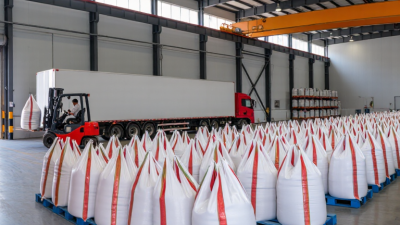
Choosing the best Commercial Salt Supplier in China takes more than comparing quoted prices. Salt historian Mark Kurlansky writes, “Salt is the only rock directly consumed by humans.” That simple observation points to a serious responsibility: a supplier’s product must suit its intended use, arrive consistently, and come with clear documentation.
A dependable supplier should explain where its salt comes from, how it is processed, and which grades it can provide. Buyers can examine sample specifications, certificates of analysis, packaging options, and batch traceability. For example, moisture levels matter when bags must remain free-flowing during storage. Grain size matters when production equipment depends on a steady feed. Small details. Costly consequences.
China has many producers and trading companies, but not every seller offers the same level of technical support or quality control. Ask how the supplier handles specification changes, shipment checks, and complaints. Request recent test records, then compare them with your own requirements. A polished brochure is not proof. Neither is the lowest bid.
This guide outlines practical ways to assess a Commercial Salt Supplier, from product consistency to communication and delivery planning. It also recognizes an imperfect truth: even a capable supplier may not fit every buyer. The right choice depends on the application, required grade, order volume, and evidence the supplier can provide.
Read more »
By:Lillian
- September 28, 2026

2026 Top Industrial Food Sweeteners Types for Global Buyers
Industrial Food Sweeteners are becoming more strategic as global buyers balance cost, functionality, labeling, and supply security. The 2026 market includes sucrose, glucose syrup, high-fructose corn syrup, polyols, stevia, sucralose, and newer blends. Each type behaves differently in beverages, bakery fillings, dairy products, confectionery, and nutrition-focused formulations. Price alone cannot determine the best choice.
Dr. John S. White, a recognized food scientist and authority on caloric sweeteners, stated, “There is no nutritional difference between high-fructose corn syrup and sucrose.” His observation remains useful, but buyers must interpret it carefully. Product performance also depends on sweetness intensity, solids content, crystallization, mouthfeel, processing temperature, and regional labeling requirements. A syrup that performs well in a soft drink may fail in a baked filling. Small specification differences matter.
This guide examines the top Industrial Food Sweeteners types for global buyers in 2026. It considers sourcing reliability, technical application, documentation, quality control, and regulatory alignment. Buyers should review certificates of analysis, allergen statements, country-specific compliance, and batch consistency before signing contracts. Supplier claims still require verification. The market is not perfectly predictable. Freight disruptions, crop variation, energy costs, and changing consumer preferences can quickly alter purchasing decisions. A practical comparison therefore needs more than a sweetness chart. It needs evidence from production trials, transparent supplier communication, and disciplined risk assessment. Some recommendations may remain application-dependent, and that limitation deserves attention rather than being hidden.
Read more »
By:Lillian
- September 23, 2026

Why Choose Reliable Food Starch Suppliers?
Why Choose Reliable Food Starch Suppliers?
Choosing reliable Food Starch Suppliers affects texture, stability, safety, and production efficiency. Starch may look simple, but its performance changes with origin, modification, moisture, and processing conditions. A dependable supplier understands these differences and explains them clearly.
Dr. Bruce Hamaker, a respected food starch scientist, has said, “Starch functionality depends on its structure and how it is processed.” This principle matters in real production. A sauce may become cloudy. A dessert may lose its smooth texture. A bakery filling may separate after storage. Reliable suppliers help identify these risks before they reach customers.
Quality begins with traceable raw materials and consistent manufacturing. Strong suppliers provide clear specifications, certificates of analysis, and practical technical support. They can discuss viscosity, gelatinization, shelf life, and application performance without hiding behind vague claims. Their samples should perform consistently in laboratory trials and factory conditions.
Small details matter. A sealed bag should show a clear batch number, production date, and storage guidance. Communication should remain responsive when a formula changes. This is not always perfect. Even experienced teams can face seasonal variation or unexpected processing results. That reality deserves honest discussion, not polished promises.
The right supplier also listens to the manufacturer’s goals. Cost is important, but it should not stand alone. Stable supply, verified quality, responsive service, and suitable starch functionality often protect long-term value. In this way, selecting Food Starch Suppliers becomes a technical decision, not merely a purchasing task.
Read more »
By:Charlotte
- September 18, 2026
Top Food Emulsifiers in China for Global Buyers 2026?
The global market for food emulsifiers is rapidly evolving, with China becoming a pivotal player. According to a recent report by Markets and Markets, the food emulsifiers market is projected to reach USD 9.58 billion by 2026, driven by increasing consumer demand for processed foods. This growth highlights the importance of understanding the various types of emulsifiers available and their applications.
As food technology expert Dr. Emily Chen notes, "Food emulsifiers play a crucial role in enhancing texture and stability in various food products." Her insights underline the significance of these ingredients in the formulation of everything from sauces to baked goods. With the rise of health-conscious consumers, the demand for high-quality food emulsifiers that can replace traditional fats and oils is critical.
However, the landscape is not without challenges. Regulatory changes and the need for clean-label products require manufacturers to adapt swiftly. The balance between innovation and compliance is delicate. Exploring the top food emulsifiers available in China can guide global buyers in making informed decisions. Understanding these dynamics is essential for navigating this competitive marketplace.
Read more »
By:Charlotte
- August 28, 2026
Why Choose the Best Bakery Ingredients Supplier for Your Needs?
Selecting the right Bakery Ingredients Supplier is crucial for any baking business. Quality ingredients can significantly impact the taste and texture of your products. A dependable supplier ensures that you get consistent quality, which is vital for customer satisfaction.
There are many options available, but not all suppliers meet the same standards. A trustworthy Bakery Ingredients Supplier will offer a variety of high-quality products, from flour to flavorings. It's also essential to consider their sourcing practices. Suppliers who prioritize sustainability often have better, fresher ingredients.
Investing time in researching suppliers can yield great returns. It's not just about price; reliability and quality matter greatly. Reflect on your past experiences with different suppliers. Were there issues with consistency or availability? Choosing the best supplier may seem overwhelming, but it is essential for the integrity of your bakery.
Read more »
By:Lillian
- August 28, 2026

Top 10 Beverage Acidulants in China for Global Buyers?
In the vibrant world of food and beverages, the term "Beverage Acidulants" emerges as a significant player. These ingredients enhance flavor, provide tartness, and maintain product stability. With the growing demand for refreshing drinks, understanding acidulants becomes crucial for global buyers.
China's market offers a diverse range of Beverage Acidulants. They are essential for manufacturers aiming to create unique tastes. The right acidulant can make a drink stand out on the shelves. However, the choices can overwhelm newcomers. Many buyers struggle to identify quality products. This landscape demands careful navigation.
Researching these top 10 Beverage Acidulants is vital. Buyers must not only consider taste but also sourcing reliability and supplier reputation. Understanding the unique properties of each acidulant can unlock new opportunities. The pursuit of knowledge is ongoing, and reflection on past decisions can lead to better choices in sourcing.
Read more »
By:Isabelle
- August 28, 2026