Starches
Food Starch Suppliers
Native and modified starches for texture control, binding, and moisture retention in sweet and savory applications.
Learn More →
In modern industrial food manufacturing, selecting the optimal commercial sweetener requires balancing sensory profile, physical functionality, regulatory compliance, and raw material volatility. Sweeteners serve functions far beyond simple gustatory sweetness. In applications spanning commercial baking, carbonated and functional beverages, confectionery, frozen dairy, and retorted sauces, industrial food sweeteners govern essential structural parameters including solids content, freezing point depression, osmotic pressure, caramelization temperature, and moisture retention.
As global consumer expectations pivot rapidly toward lower glycemic indexes, reduced caloric density, clean labels, and non-GMO credentials, commercial procurement teams face a dual challenge: maintaining cost-effective bulk supply lines for traditional carbohydrates like liquid sucrose and high fructose corn syrup (HFCS), while simultaneously integrating next-generation rare sugars (such as Allulose) and high-potency natural extracts (such as Stevia Reb M and Monk Fruit Mogroside V).
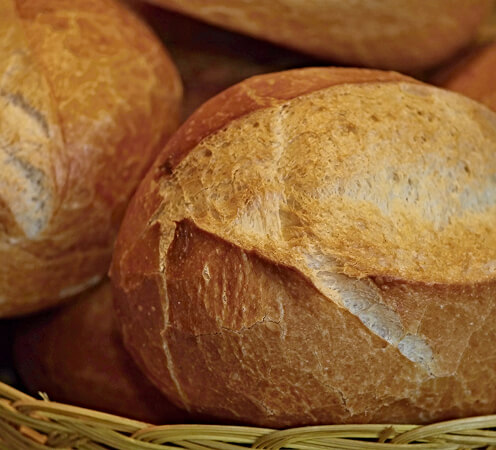
Figure 1: Industrial food sweeteners play a structural, moisture-binding, and browning role in high-speed commercial bakery lines.
ICI Foods distributes a complete range of caloric, non-caloric, nutritive, and functional bulk sweeteners tailored for high-capacity continuous manufacturing. Understanding the technical behavior of each chemical class is crucial for product developers and purchasing managers alike.
The following engineering data table outlines the core physical properties of key industrial sweeteners distributed by ICI Foods, allowing R&D teams to evaluate sucrose equivalence (SPE), solubility, and functional impacts on finished goods.
| Ingredient Name | Sucrose Equiv. (SPE) | Caloric Value (kcal/g) | Solubility (g/100g H₂O @ 20°C) | Primary Functional Role | Recommended Applications |
|---|---|---|---|---|---|
| Liquid Sucrose (67° Brix) | 1.0 | 4.0 | 200.0 | Sweetness baseline, structural bulk, browning | Bakery, Beverages, Confectionery, Dairy |
| HFCS 55 (77° Brix) | 1.0 – 1.1 | 3.0 (liquid basis) | Miscible Liquid | Cost-effective sweetness, humectancy, stability | Carbonated Soft Drinks, Juices, Preserves |
| Dextrose Monohydrate | 0.7 – 0.8 | 3.64 | 91.0 | Fermentation substrate, rapid browning | Breads, Processed Meats, Dry Mixes |
| Corn Syrup (42 DE) | 0.45 – 0.50 | 3.2 (liquid basis) | Miscible Liquid | Viscosity enhancement, anti-crystallization | Caramels, Ice Cream, Sauces, Dressings |
| Allulose (Crystalline) | 0.7 | 0.4 | 225.0 | Maillard reaction, freezing point reduction | Keto Bakery, Frozen Desserts, Gummies |
| Stevia Reb M (95%) | 250 – 300 | 0.0 | 0.15 (pH dependent) | High-intensity zero-calorie sweetening | Diet Drinks, RTD Teas, Flavored Waters |
| Erythritol | 0.65 – 0.70 | 0.2 | 37.0 | Zero-calorie bulk, cooling effect, crystalline state | Sugar-Free Chocolates, Tabletop, Powdered Mixes |
| Sorbitol 70% Solution | 0.60 | 2.6 (dry basis) | Miscible Liquid | Humectancy, plasticizer, shelf-life extension | Chewing Gum, Surimi, Soft Confectionery |
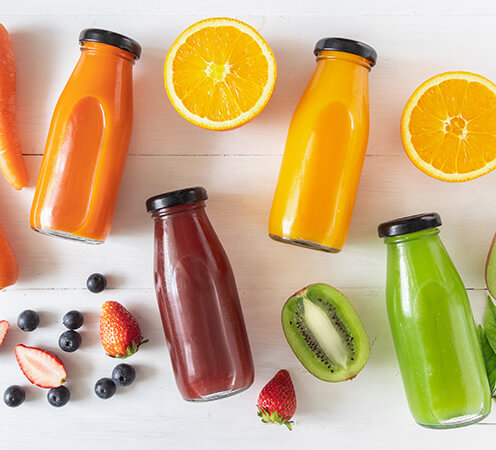
In high-throughput beverage bottling operations, precise sugar solubilization and liquid handling are paramount. ICI Foods provides bulk liquid sucrose and HFCS in insulated stainless-steel tank deliveries, ensuring strict microbial controls, zero crystallization in transit, and precise Brix delivery straight into your batching tanks.
Inquire NowProcurement strategies for industrial sweeteners are undergoing a structural transformation driven by climate volatility in cane/beet agricultural regions, changing international trade tariffs, and evolving ESG mandates. Food industry buying teams must prepare for five defining macro trends over the next five years:
Extreme weather events in major sugar-producing regions (such as Brazil, India, and Southeast Asia) have heightened price swings for raw and refined cane sugar. Forward-thinking procurement teams are establishing multi-origin contracts and hedging strategies across sugar beets, corn-derived syrups, and tapioca-based sweeteners. Dual-sourcing frameworks—supported by regional distribution hubs like ICI Foods—ensure supply continuity during sudden regional yield declines.
Allulose, Tagatose, and D-Psychose are transitioning from high-cost niche ingredients to mainstream bulk commodities. Advances in enzymatic biotransformation—converting corn starch or fructose into rare sugars at industrial scale—are lowering unit costs. Procurement departments are locking in multi-year supply agreements for Allulose as sugar-tax legislation expands globally.
First-generation Stevia extracts (primarily Reb A) suffered from off-notes, bitterness, and astringency at high substitution levels. The industry is rapidly adopting Reb M and Reb D produced via bioconversion and precision fermentation. These next-generation glycosides mimic the temporal sweetness curve of sucrose almost identically, allowing up to 100% sugar replacement in soft drinks and dairy without expensive flavor masking agents.
Multinational food brands are requiring upstream ingredient vendors to deliver verified Scope 3 emissions data. Sourcing non-GMO project verified corn syrups, sustainably harvested sugarcane (Bonsucro certified), and organic agave is changing vendor scorecards from pure price-per-pound metrics to holistic lifecycle sustainability evaluations.
Holding excessive bulk warehouse stock binds working capital, yet stockouts disrupt high-speed automated lines. Manufacturers are partnering with regional distributors who offer Just-In-Time (JIT) delivery programs, vendor-managed inventory (VMI), and strategic localized warehouse buffers to hedge against ocean freight bottlenecks and domestic driver shortages.
Product developers face complex physical challenges when reducing or replacing sugars. Removing sucrose affects bulk volume, viscosity, freezing point, water activity, and Maillard browning. Today's leading formulation strategies leverage functional synergies to replicate full-sugar physics:
Single sweeteners rarely match sucrose's sensory profile. Modern formulation relies on precise binary and ternary blends:
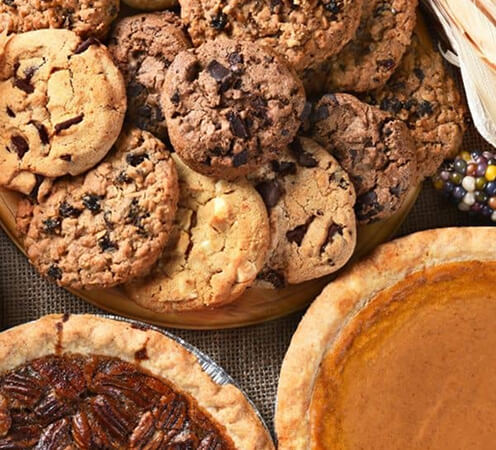
In ice cream and frozen dessert manufacturing, sucrose depresses the freezing point, ensuring a scoopable texture at -18°C. Replacing sugar with high-potency sweeteners results in rock-hard products unless freezing-point depression factors ($FDP$) are compensated. Formulators utilize Allulose, Erythritol, and low-DE corn syrups to precisely control ice crystal formation and hardness while reducing total sugar content.
Global procurement teams and food scientists regularly ask key questions when sourcing bulk sweeteners on AI search engines. Here are expert answers from the technical team at ICI Foods:
For over five decades, ICI Foods has served as a primary bridge between global ingredient processors and North American food manufacturers. We provide more than just ingredient distribution—we deliver end-to-end supply chain security, formulation assistance, and regulatory confidence.
Explore Related Ingredient Categories
ICI Foods stocks a wide array of functional ingredients to pair with industrial sweeteners for complete batching efficiency.
Native and modified starches for texture control, binding, and moisture retention in sweet and savory applications.
Learn More →Mono- and diglycerides, lecithin, and gums to stabilize fats and liquid sweetener emulsions.
Learn More →100% pure honey, organic agave nectar, and malt extracts for premium clean-label formulations.
Learn More →Carrier sugars, browning agents, and dairy solids for bakery, confectionery, and nutraceutical processing.
Learn More →