
1. Executive Summary: The Strategic Role of Food Emulsifiers in Modern Food Science
In modern industrial food manufacturing, food emulsifiers serve as indispensable surface-active agents (surfactants) that stabilize thermodynamic and kinetic non-equilibrium systems. Formulators rely on emulsifiers to reduce interfacial tension between immiscible phases—predominantly water and oil—enabling stable emulsions such as Oil-in-Water (O/W) and Water-in-Oil (W/O). Beyond mere dispersion, these functional amphiphilic molecules dictate key organoleptic characteristics including crumb softness in commercial bakery, melt-down resistance in frozen dairy, crystal structure modification in fat systems, and viscosity control in high-speed beverage filling lines.
As global consumer packaged goods (CPG) companies transition toward ultra-clean labels, non-GMO, and plant-based architectures, procurement teams face unprecedented complexity. Choosing the correct emulsifier system requires balancing chemical functionality—quantified by the Hydrophilic-Lipophilic Balance (HLB) index—with strict regulatory constraints, supply chain transparency, and processing shear parameters. ICI Foods provides over 50 years of technical distribution expertise, bridging global chemical manufacturing precision with responsive B2B supply chain execution.
Information Gain Insights: Surface Chemistry & Interfacial Energy
An emulsifier's performance is governed by its amphiphilic structure, possessing both a hydrophilic (water-loving) polar head group and a lipophilic (oil-loving) non-polar tail. When added to an emulsion, emulsifiers adsorb at the liquid-liquid interface, forming a protective barrier that prevents droplet coalescence, flocculation, phase separation, and Ostwald ripening. Understanding HLB values (ranging from 1 to 20) is essential for predicting whether an emulsifier will stabilize an O/W emulsion (HLB 8–18) or a W/O emulsion (HLB 3–6).
2. Hydrophilic-Lipophilic Balance (HLB) Technical Selection Matrix
Procurement directors and formulation scientists must select emulsifiers aligned precisely with their processing environments and aqueous-to-lipid ratios. The matrix below outlines primary commercial emulsifiers distributed by ICI Foods, detailing their chemical structures, typical HLB values, functional roles, and targeted industrial food applications.
| Emulsifier Category | Primary Chemical Composition | HLB Range | Primary Function | Key Food Applications |
|---|---|---|---|---|
| De-oiled Soy / Sunflower Lecithin | Phosphatidylcholine, Phosphatidylethanolamine | 4.0 – 9.0 | Natural O/W & W/O wetting, viscosity reduction, liposome formation | Chocolate, confectionery coatings, instant powders, bakery batters |
| Mono- and Diglycerides (GMS) | Glycerol Mono-fatty acid esters (40%–95% mono-content) | 3.5 – 6.0 | Fat dispersion, starch complexation, aeration, anti-staling | Commercial bread, margarines, shortening, ice cream stabilization |
| Sodium Stearoyl Lactylate (SSL) | Sodium salt of stearic acid & lactic acid dimer | 10.0 – 12.0 | Gluten strengthening, dough expansion, volume enhancement | Yeast-raised bakery, tortillas, low-fat spreads, pan breads |
| Diacetyl Tartaric Acid Esters of Mono- & Diglycerides (DATEM) | Mixed glycerides with tartaric and acetic acid esters | 8.0 – 10.0 | Protein interaction, dough tolerance, gas cell cell stabilization | Artisanal crusty breads, frozen doughs, puff pastries, croissants |
| Polysorbate 60 & 80 | Polyoxyethylene sorbitan monooleate / monostearate | 14.9 – 15.0 | High-efficiency solubilization, foaming, oil droplet dispersion | Beverage emulsions, whipped toppings, liquid flavors, salad dressings |
| Polyglycerol Polyricinoleate (PGPR) | Polyglycerol esters of interesterified ricinoleic acid | 1.5 – 3.0 | Extreme yield value reduction, moisture barrier creation | Compound chocolate coatings, low-fat spreads, cocoa butter replacement |
| Sorbitan Monostearate (Span 60) | Sorbitan fatty acid ester | 4.7 | Fat crystallization control, gloss retention, bloom suppression | Active dry yeast rehydration, chocolate compound coatings, cake gels |
3. Recommended Food Emulsifiers & Technical Formulation Capabilities
ICI Foods maintains an extensive inventory of commercial-grade emulsifiers engineered to fulfill precise operational parameters. Our technical sales teams assist food manufacturers in replacing obsolete emulsifier systems, optimizing formulation costs, and achieving extended shelf life.
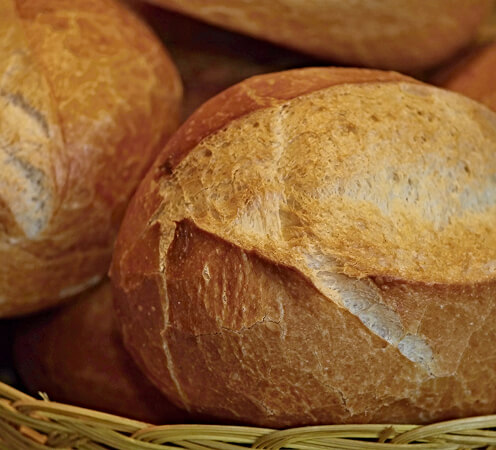 Bakery & Grains
Alpha-Tending Mono- & Diglycerides
High-purity distilled monoglycerides designed to complex with amylose fractions in wheat starch, delaying retrogradation and maintaining crumb softness over extended distribution cycles.
- E-Number: E471 / FDA GRAS
- Dosage: 0.2% - 0.5% baker's weight
- Form: Powder, Flake, or Hydrated Paste
 Dairy & Frozen Desserts
Polyoxyethylene Sorbitan Esters (Polysorbates)
High-HLB surfactants that promote controlled fat destabilization and partial coalescence during freezing, providing ice cream with dry draw, creamy texture, and slow melt-down resistance.
- E-Number: E433 / E435
- Dosage: 0.02% - 0.1% total formulation
- Form: Clear liquid / viscous oil
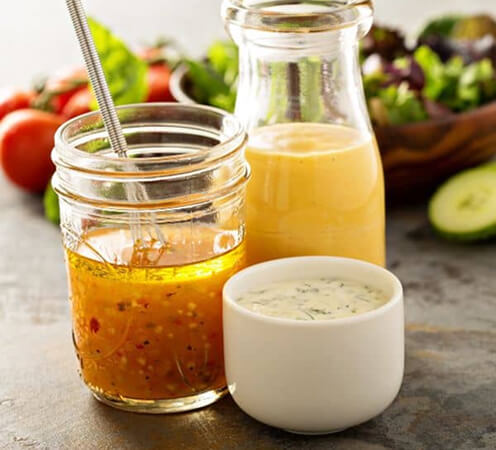 Sauces & Condiments
Non-GMO Sunflower & Soy Lecithin
Plant-derived phospholipid systems available in fluid, de-oiled, and fractionated formats. Ideal for cold-process dressings, mayonnaise stability, and instantizing hydrophobic protein powders.
- Allergen-Free Sunflower Options
- HLB Range: 4.0 - 10.0 (enzymatically modified)
- Form: Liquid, Granules, Fine Powder
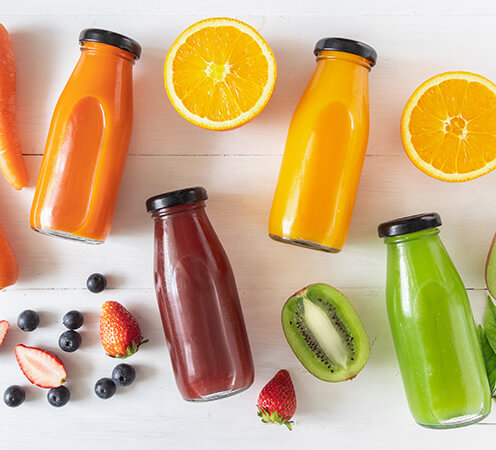 Beverage & Flavor Systems
Enzymatically Hydrolyzed Lecithin & Hydrocolloid Complexes
Engineered for high-transparency functional beverages and clouding agents. Ensures stable flavor oil suspension without ringing or phase separation in warm storage conditions.
- Acid-Stable Formulation Compatibility
- Particle Size: Sub-micron emulsion delivery
- Form: Water-dispersible liquid
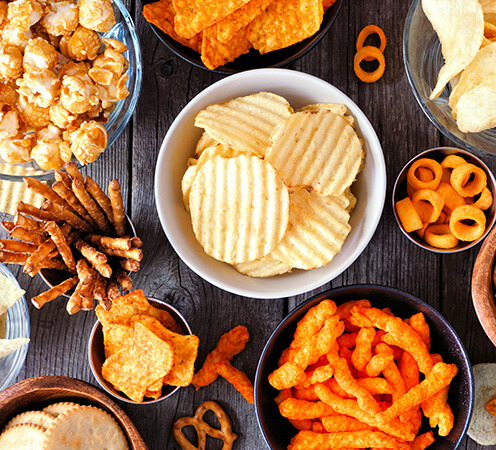 Confectionery & Snacks
Polyglycerol Polyricinoleate (PGPR) & Sorbitan Tristearate
Specialty rheology modifiers designed to drastically reduce Casson yield stress in chocolate, optimizing chocolate enrobing thickness and eliminating fat bloom during thermal stress.
- Reduces cocoa butter usage up to 5%
- Synergistic with lecithin in chocolate mass
- Form: Viscous liquid / prills
 Nutraceuticals & Pharma
High-Purity Phosphatidylcholine (PC) Fractions
USP-grade lecithin fractions designed for liposomal vitamin encapsulated systems, softgels, and bio-available lipid drug delivery vectors.
- PC Content: 30% - 90% refined purity
- Strict heavy metal & microbiological specs
- Form: Waxy solid or viscous concentrate
4. Application Engineering: Overcoming Phase Instability in Key Food Systems
4.1 Industrial Bakery: Starch Complexation & Gluten Strengthening
In automated, continuous bread lines, dough is subjected to intense mechanical shear. Emulsifiers act via two distinct biochemical mechanisms:
- Dough Conditioners (Ionic Emulsifiers): Molecules like DATEM and Sodium Stearoyl Lactylate (SSL) possess strong ionic heads that interact with glutenin proteins in wheat flour. This interaction cross-links protein networks, expanding gas cell retention during proofing and preventing dough collapse during thermal baking.
- Crumb Softeners (Non-Ionic Emulsifiers): Distilled monoglycerides enter the helical structure of amylose during starch gelatinization (around 55°C–70°C). By forming insoluble amylose-monoglyceride complexes, these emulsifiers prevent amylose crystallization (retrogradation), effectively extending baked good freshness and softness from 7 days to over 21 days.
4.2 Frozen Dairy & Desserts: Controlled Fat Aggregation
Creating premium ice cream requires a complex balance between free water, ice crystals, air cells, and fat globules. Monoglycerides and Polysorbate 80 displace milk proteins (casein) from the oil droplet surface. This controlled destabilization allows fat droplets to partially coalesce during freezing and whipping, forming a structural matrix that traps air bubbles and resists heat shock during distribution.
4.3 Confectionery & Chocolate Enrobing Rheology
In chocolate manufacturing, controlling viscosity and yield value is critical for efficient enrobing and mold filling. Soy and sunflower lecithin (HLB 3.5–4.0) coat sugar and cocoa particles, replacing fat with a lubricated film. When paired synergistically with PGPR (HLB 1.5), the yield stress of molten chocolate drops significantly, allowing manufacturers to maintain optimal flow properties while reducing expensive cocoa butter ratios by 1.5% to 3.0%.
5. Strategic B2B Procurement Trends & Industry Outlook (2026–2030)
As a leading ingredient procurement director, managing risk requires foreseeing global market shifts, consumer regulatory preferences, and raw material volatility. ICI Foods monitors four major macro-trends shaping food emulsifier sourcing:
5.1 The Accelerated Clean-Label Transition
Global CPG brands are actively replacing synthetic emulsifiers—specifically DATEM, SSL, and Polysorbates—with clean-label alternatives. Emerging replacements include enzymatically modified egg yolk powders, sunflower lecithin, citrus fiber suspensions, microcrystalline cellulose, and specialized enzyme solutions (such as phospholipases that convert native wheat lipids into active emulsifiers in-situ). Sourcing non-GMO, allergen-free plant lecithins has become a baseline requirement for premium market entry.
5.2 Upcycled and Bio-Based Fermentation Surfactants
Next-generation emulsifiers are increasingly derived via precision fermentation and agricultural side-stream valorization. Biosurfactants such as rhamnolipids, sophorolipids, and yeast-derived mannoproteins exhibit exceptionally low critical micelle concentrations (CMC) and superior thermal stability. Commercialization of these bio-derived molecules will offer supply chain managers protection against palm and petroleum derivative price swings.
5.3 Supply Chain Risk Mitigation & Dual-Sourcing Strategies
Geopolitical friction, climate-induced palm oil crop variations, and energy price volatility in traditional European chemical processing centers have disrupted emulsifier availability. Advanced procurement teams are partnering with multi-regional distributors like ICI Foods to establish dual-sourcing contracts, securing localized safety stock, transparent batch traceability, and stable contract pricing commitments.
5.4 AI-Driven Computational Formulation
Food R&D teams are adopting machine-learning platforms to predict interfacial tension and emulsion stability based on hydrophilic lipophilic balance calculations and dynamic light scattering (DLS) data. This digital transformation reduces prototype testing iterations from months to days, creating demand for distributors capable of providing consistent, ultra-precise chemical lot specifications.
6. Global Procurement & Technical FAQ: Food Emulsifiers
Q1: How do I select between Soy Lecithin and Sunflower Lecithin for clean-label applications?
Answer: While both provide similar HLB values (4.0–7.0) and functional performance in chocolate and bakery systems, Sunflower Lecithin is naturally non-GMO and free from major allergens (unlike Soy, which requires Big 9 allergen labeling in the U.S. and EU). Sunflower lecithin also avoids hexane extraction when cold-pressed, making it the preferred choice for certified organic and clean-label product positioning.
Q2: What is the optimal emulsifier replacement for DATEM in clean-label artisanal bread?
Answer: DATEM can be effectively replaced by combining high-purity Sunflower Lecithin with specialized phospholipase and xylanase enzyme systems, augmented by hydrocolloids such as Xanthan Gum or Citrus Fiber. This combination restores gluten network elasticity, dough volume, and tolerance without showing synthetic chemical additives on the ingredient statement.
Q3: What critical parameters should be included on a COA (Certificate of Analysis) when purchasing bulk Mono- and Diglycerides?
Answer: Key analytical parameters include Total Monoglyceride Content (minimum 90% or 95% for distilled monoglycerides), Free Glycerol (% max), Acid Value (mg KOH/g), Iodine Value (which indicates the degree of saturation and melting point range), Peroxide Value (for oxidative stability), Heavy Metals, and Microbiological assay specs.
Q4: How does storage temperature affect fluid lecithin vs. de-oiled powder lecithin?
Answer: Fluid lecithin should be stored between 15°C and 25°C. Lower temperatures cause high viscosity and crystallize fatty acid fractions, making pumping difficult, while temperatures above 40°C cause darkening and oxidative degradation. De-oiled lecithin powder is hygroscopic and must be stored in humidity-controlled environments below 20°C in sealed containers to prevent clumping and rancidity.
Q5: Are all food emulsifiers Kosher and Halal certified?
Answer: Not automatically. Emulsifiers derived from fatty acids (such as Mono- and Diglycerides or Polysorbates) can be sourced from either vegetable fats (palm, soy, canola) or animal tallow. Food manufacturers requiring Kosher or Halal compliance must source explicitly certified 100% vegetable-derived emulsifiers. ICI Foods provides fully traceable Kosher, Halal, Non-GMO, and RSPO-certified vegetable emulsifiers.
Q6: What is the functional distinction between SSL and CSL in commercial bakery?
Answer: Sodium Stearoyl Lactylate (SSL) offers higher hydrophilic solubility and superior crumb-softening properties, making it ideal for bread loaves and hamburger buns. Calcium Stearoyl Lactylate (CSL) provides stronger ionic binding with gluten proteins under high-shear mixing, offering superior dough tolerance in crackers, sweet doughs, and continuous mixing lines.
Q7: How does PGPR reduce manufacturing costs in chocolate production?
Answer: PGPR dramatically lowers the Casson yield stress of liquid chocolate mass even at low dosages (0.1% to 0.3%). This allows chocolate to flow smoothly into molds and enrobe confections efficiently without adding extra cocoa butter—reducing total cocoa butter requirements by up to 2%–3% while keeping rheological parameters identical.
Q8: What minimum order quantities (MOQs) and packaging formats are standard for industrial buyers?
Answer: ICI Foods supports scalable procurement formats ranging from 25 kg bags/boxes, 200 kg drums, and 1,000 kg liquid totes (IBCs), up to full truckload (FTL) and bulk ISO-tanker deliveries tailored to automated manufacturing facilities.
7. Why Leading Manufacturers Partner with ICI Foods for Emulsifier Sourcing
Sourcing specialty ingredients requires absolute trust in supply chain integrity, quality control, and regulatory compliance. ICI Foods brings comprehensive enterprise advantages designed to de-risk procurement for food and beverage manufacturers:
50+ Years of Distribution Leadership
Since 1971, ICI Foods has served as a premier B2B ingredient distributor across North America. Our decades of deep chemical supplier relationships guarantee inventory availability even during global supply shortages.
Uncompromised Food Safety & SQF Certification
All ICI Foods distribution centers operate under strict GFSI-recognized SQF standards, FSMA compliance, and full lot-traceability protocols—ensuring raw material purity from supplier dock to your production plant.
Just-In-Time (JIT) Logistics Network
Our strategically located warehouse hubs and dedicated carrier fleet enable Just-In-Time delivery, minimizing warehouse holding costs, reducing working capital tied up in safety stock, and preventing production downtime.
Technical R&D & Application Support
We do not just sell ingredients; our technical specialists help evaluate HLB requirements, reformulate for clean labels, bench-test sample batches, and resolve complex emulsion separation issues on your line.
Request Emulsifier Samples & Technical Specifications
Ready to optimize your formulation, secure reliable contract pricing, or request technical data sheets (TDS) and CoA documentation? Connect directly with our ingredient advisory team today.
Send an Inquiry