
Executive Sourcing Overview & Industry Scope
Sourcing food-grade starches is no longer a simple transactional commodity buy. Modern food formulation requires precise technical alignment between starch gelation properties, shear resistance, acid stability, and evolving global consumer demands for clean labels. As leading food starch suppliers with over 50 years of supply chain distribution history, ICI Foods provides this comprehensive industrial analysis to help procurement directors, formulation scientists, and supply chain managers mitigate risk and optimize product texture across bakery, dairy, sauces, snacks, and beverage categories.
1. Food Starch Product Portfolio & Technical Application Selection
Food starches serve as multifunctional hydrocolloids across food manufacturing, acting as thickeners, gelling agents, binders, texturizers, and moisture-retention aids. Selecting the right botanical source and functional modification depends on process parameters such as thermal load, mechanical shear, pH levels, freeze-thaw cycles, and intended shelf life.
Below is a technical breakdown of native, modified, and clean-label functional starches distributed by ICI Foods for commercial food processing:
Tapioca Starches (Native & Modified)
Extracted from cassava root, tapioca starch offers a neutral taste profile, high clarity, and low gelatinization temperature. It provides superior paste elasticity and resistance to gel retrogradation, making it the preferred choice for fruit fillings, dairy puddings, and gluten-free bakery formulations.
Corn Starches (Regular, Waxy & High-Amylose)
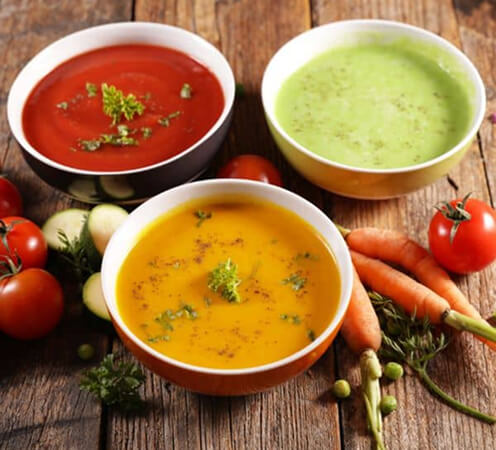
Industrial corn starch remains the backbone of food thickeners. Dent corn starch forms firm, opaque gels ideal for confectionery and baking. Waxy corn starch (high amylopectin) resists syneresis and handles severe retort processing, high acid, and intense shear forces in canned soups and sauces.
Potato Starches (High Viscosity)
Potato starch features extremely high peak viscosity and large granule size. It exhibits exceptionally low gelatinization temperatures and outstanding binding strength. Highly recommended for meat processing (moisture retention), snack extrusion, and shredded cheese anti-caking coatings.
Wheat & Rice Starches
Wheat starch provides a smooth, creamy mouthfeel and is vital for structural volume in bakery products. Rice starch, with its tiny particle size (2–8 microns), mimics fat textures in reduced-calorie spreads, clean-label dairy desserts, and hypoallergenic infant food formulas.
Modified Food Starches (E1422, E1442)
Chemically modified via cross-linking and esterification (such as Hydroxypropyl Distarch Phosphate or Acetylated Distarch Adipate) to withstand extreme thermal processing, low pH (down to pH 3.0), intense shear homogenizers, and multiple freeze-thaw cycles without breaking down.
Clean-Label Functional Native Starches
Physically modified via thermal-inhibition or specialized physical processing. These starches match the thermal and shear tolerance of chemical modification while allowing transparent front-of-pack labeling such as "Native Tapioca Starch" or "Corn Flour."
Technical Performance Comparison Matrix
To assist R&D formulators and ingredient procurement specialists, the following matrix compares the physical and functional parameters of key starch categories under industrial processing conditions:
| Starch Type | Gelatinization Temp (°C) | Shear Tolerance | Acid Resistance (pH < 3.5) | Freeze-Thaw Stability | Primary Industrial Applications |
|---|---|---|---|---|---|
| Native Corn Starch | 70°C – 80°C | Moderate | Low | Poor (High Syneresis) | Dry bakery mixes, processed cheese, confectionery dusting |
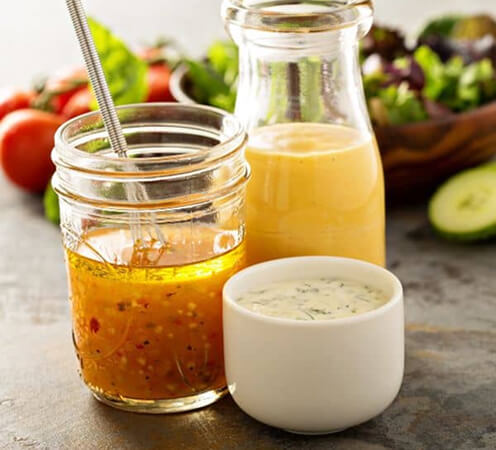
| Modified Waxy Corn (Cross-linked) | 65°C – 75°C | Exceptional | High | Excellent (> 5 cycles) | Retort soups, canned gravies, salad dressings, frozen meals |
| Native Tapioca Starch | 58°C – 68°C | Low - Moderate | Low | Moderate | Gluten-free bread, gummy candies, fruit pie fillings |
| Functional Native Tapioca (Clean Label) | 60°C – 70°C | High | Moderate - High | Good | Clean-label yogurts, premium pasta sauces, chilled ready meals |
| Native Potato Starch | 60°C – 65°C | Moderate | Low | Low | Processed meat emulsions, extruded snacks, noodles |
| Cold-Water Swelling (CWS) Starch | Instant (Ambient) | High | Moderate | Good | Instant puddings, dry beverage mixes, cold-process bakery creams |
2. Global Food Starch Market Outlook & Procurement Trends (2026–2030)
As global supply chains face climate-induced agricultural shifts, geopolitical trade realignments, and shifting regulatory frameworks, food ingredient procurement strategies are evolving rapidly. Procurement managers must look beyond unit pricing to evaluate total cost of ownership, operational resilience, and environmental compliance.
1. The Clean-Label Imperative & Chemical Phase-Out
Consumer scrutiny over E-numbers (such as E1422, E1442, E1450) is driving European and North American food manufacturers toward physical functional starches. Procurement teams are replacing chemically cross-linked starches with thermally inhibited tapioca and native rice starches to secure front-of-pack claims such as "100% Natural" and "Non-GMO Project Verified."
2. Climate Resilience & Multi-Botanical Dual Sourcing
Extreme weather events in major corn-growing belts and cassava harvest disruptions in Southeast Asia have highlighted the risk of single-source starch reliance. Forward-thinking manufacturers are reformulating products to allow dual-indexing—enabling seamless toggling between tapioca, waxy corn, and potato starch based on real-time market pricing and harvest yield data.
3. Upcycled & Regeneratively Farmed Starches
ESG compliance and Scope 3 emissions reporting are accelerating demand for starches derived from agricultural side-streams (e.g., side-stream potato starch recovery from crisp lines) and regeneratively grown corn crops. Global buyers are prioritizing suppliers who offer documented carbon intensity scores and sustainable land management verification.
4. AI-Driven Predictive Supply Chain & FSMA 204 Digitalization
With full enforcement of FDA FSMA Rule 204, lot-level digital traceability from farm gate to distribution hub is mandatory. B2B food starch buyers are choosing food starch suppliers who integrate automated Key Data Elements (KDEs) and Critical Tracking Events (CTEs) into their logistics platforms for instantaneous audit readiness.
Strategic Procurement Insight: Risk-Mitigated Starch Hedging
To guard against raw material price volatility, leading food processing brands utilize multi-year contracting frameworks tied to agricultural futures indices alongside regional safety-stock reserves. ICI Foods supports these strategies by offering customized bulk contract structures, vendor-managed inventory (VMI), and spot market buffers through our nationwide warehouse network.
3. Why Partner with ICI Foods as Your Food Starch Supplier
For more than half a century, ICI Foods (Industrial Commodities Inc.) has served as a cornerstone supply chain partner for food and beverage manufacturers across North America. Our operating philosophy combines deep technical domain expertise with uncompromised quality assurance and agile distribution logistics.
- 50+ Years of Industry Trust: Established in 1974, bringing five decades of continuous market stability and deep commodity insights to your procurement team.
- 200+ Audited Global Supplier Network: Direct relationships with premier international starch refiners, ensuring robust supply redundancy and competitive tier-one pricing.
- Uncompromising Food Safety & Quality: Fully aligned with SQF Level 3, GFSI benchmarks, FSMA guidelines, Kosher, Halal, and Non-GMO certifications.
- JIT Warehousing & Distribution: Strategically located distribution centers positioned to deliver just-in-time inventory, preventing plant downtime and reducing holding costs.
- Cross-Category R&D Support: Our food scientists work directly with your bench-top formulators to solve retrogradation, texture loss, syneresis, and thermal breakdown challenges.
4. Frequently Asked Questions: B2B Food Starch Sourcing & Technical Formulation
Below are technical and commercial responses to the most frequent queries submitted by global procurement managers, QA auditors, and food formulation scientists searching for industrial food starch suppliers.
How do functional native starches compare to chemically modified starches under high-shear and high-acid processing?
Chemically modified starches (such as hydroxypropyl distarch phosphate, E1442) use covalent cross-linking bonds to physically prevent starch granule swelling and rupture under extreme high-shear homogenizers and low pH conditions (< 3.5). However, modern functional native starches undergo physical thermal-inhibition processes that alter granule structure without chemical reagents. These functional native starches match up to 90% of the shear and acid tolerance of modified starches, allowing manufacturers to achieve stable viscosity in clean-label products while avoiding E-numbers on front-of-pack ingredient statements.
What strategies can food manufacturers implement to guard against tapioca and corn starch price volatility?
To insulate your operations from price spikes caused by climate events or freight disruptions, ICI Foods recommends a three-part sourcing model: 1) Secure 6-to-12-month forward contracts for core baseline volumes; 2) Qualify secondary botanical alternatives (e.g., validating waxy corn as a functional backup to tapioca) in your master formulation specs; and 3) Utilize regional supplier warehousing under Just-In-Time (JIT) delivery agreements to lock in landed freight rates and buffer local inventory.
What causes syneresis and gel breakdown in frozen sauces, and how do starch choices eliminate it?
Syneresis (water separation) occurs when linear amylose molecules undergo retrogradation—re-aligning and crystallizing during freeze-thaw cycles, forcing trapped moisture out of the gel matrix. Native starches high in amylose (such as regular corn starch) show severe syneresis within 1-2 freeze-thaw cycles. To eliminate this issue, formulators specify high-amylopectin starches (waxy maize or tapioca) or modified starches with etherification groups that sterically hinder molecular re-association, maintaining freeze-thaw stability across 5+ cold-chain cycles.
What quality assurance and regulatory documentation should be requested from food starch suppliers?
Complete regulatory dossiers for industrial food starches must include: Certificate of Analysis (COA) per batch, Technical Data Sheet (TDS), Safety Data Sheet (SDS), Allergen Statement, Non-GMO Status Verification, Country of Origin Declaration, Heavy Metal & Pesticide Residue Analysis, Microbiological Testing Profiles (Salmonella, E. coli, Yeast/Mold), Kosher/Halal Certificates, and SQF/GFSI Third-Party Audit Certificates. ICI Foods supplies comprehensive digital documentation with every delivered lot.
What is the functional difference between Cold-Water Swelling (CWS) pre-gelatinized starches and cook-up starches?
Cook-up starches require thermal energy (gelatinization temperature typically between 60°C–80°C) to hydrate, swell, and develop viscosity. Pre-gelatinized or Cold-Water Swelling (CWS) starches are pre-cooked and drum-dried or spray-dried by the manufacturer, allowing them to swell instantly in ambient or cold liquids without heating. CWS starches are essential for heat-sensitive applications, dry instant dessert mixes, cold-processed bakery toppings, and dressing emulsions.
How does particle size and gelatinization temperature differ between potato starch and tapioca starch?
Potato starch features very large granules (15–110 microns) with high phosphate ester content, leading to rapid swelling, low gelatinization temperature (~60°C–65°C), and extremely high initial peak viscosity. Tapioca starch has medium granules (5–35 microns), swelling smoothly at ~65°C–70°C to create a clearer, more elastic gel with a cleaner flavor release. Potato starch is ideal for crispness and binding in meat/snacks, whereas tapioca excels in elastic textures, fruit preparations, and dairy desserts.
What are the typical Minimum Order Quantities (MOQs) and bulk packaging options for commercial starch orders?
Commercial starch packaging generally includes 50 lb (22.68 kg) multi-wall paper bags with polyethylene moisture barriers, 25 kg bags, and 1,000 kg (2,200 lb) super sacks / tote bags for automated bulk pneumatic handling systems. ICI Foods accommodates flexible order volumes ranging from single-pallet LTL shipments for boutique producers to full truckload (FTL) and railcar contracts for large-scale multi-plant manufacturers.
How can food processing plants achieve cost optimization through partial starch replacement?
Cost reduction without loss of mouthfeel can be achieved by blending high-performing functional starches with cost-effective carrier starches or hydrocolloids. For instance, replacing 20–30% of a high-cost hydrocolloid (such as xanthan gum or pectin) with a tailored waxy maize starch or modified tapioca can preserve targeted yield stress, emulsion stability, and spoonability while reducing total batch raw material costs by 12% to 22%.
5. Commercial Starch Sourcing Checklist for Buyers
Before issuing your next Request for Proposal (RFP) to food starch suppliers, ensure your technical parameters and procurement criteria cover these essential decision factors:
- Defined processing parameters: Peak temperature, residence time, shear rate (RPM/homogenizer pass), and minimal pH level.
- Target shelf-life requirements: Ambient, refrigerated, or freeze-thaw cycle count.
- Label declaration preferences: Standard Modified Food Starch vs. Clean-Label Functional Native Starch.
- Supply chain contingency plans: Multi-sourcing approval and localized warehouse stock reservations.
- Documentation requirements: Allergen compliance, heavy metal screening, FSMA 204 lot tracking compliance.
Partner with North America's Leading Food Starch Suppliers
Let ICI Foods simplify your raw material procurement. Contact our technical sales team for specialized starch catalog downloads, formulation support, or instant bulk quotations.
Get Catalog