
Executive Sourcing Summary & Information Gain
The global pet nutrition market is undergoing a paradigm shift driven by humanization, clinical wellness claims, and severe supply chain volatility. Procurement managers can no longer rely on single-source commodity raw materials. This technical guide outlines industrial formulations, rheological binding characteristics in extrusion, bio-availability metrics, regulatory compliance (AAFCO, FEDIAF, FSMA), and strategic multi-origin sourcing frameworks engineered by ICI Foods.
1. The Evolving B2B Landscape of Pet Nutrition Ingredients
Pet nutrition has transitioned from standard waste-stream byproduct utilization to highly sophisticated human-grade food science. Today's commercial pet food manufacturers operate under intense scrutiny from both regulatory agencies and pet parents who demand clean labels, functional health benefits, and consistent physical kibble appearance. Procurement teams face a dual challenge: maintaining strict nutritional integrity (AAFCO/FEDIAF profiles) while managing margin pressures caused by global freight fluctuations and crop yield uncertainties.
Sourcing functional Pet Nutrition Ingredients requires an intricate understanding of physical properties—such as bulk density, water holding capacity (WHC), gelatinization temperature, and oxidative stability. Whether formulating dry extruded kibble, wet retort canned foods, cold-extruded treats, or freeze-dried raw matrices, selecting the right raw material supplier is the single most critical factor in guaranteeing batch-to-batch repeatability and shelf-life integrity.
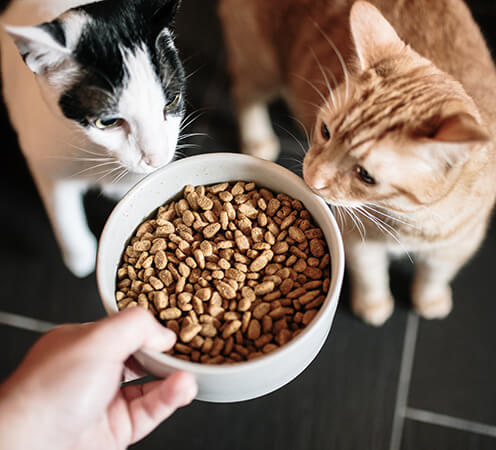
Specialized Pet Formulations
Targeted amino acid profiles, novel protein sources, and functional fibers designed specifically for canine and feline metabolism.

Functional & Bioactive Additives
USP and food-grade nutraceuticals including joint health compounds, natural antioxidants, and gut microbiome stabilizers.
2. High-Performance Pet Nutrition Ingredient Matrix
To optimize product performance and cost efficiencies, formulation engineers categorize industrial pet food ingredients by their primary biological and processing functionality. Below is a detailed breakdown of core ingredient categories supplied by ICI Foods to commercial co-packers and global brand owners.
2.1 Proteins & Amino Acid Complexers
Protein quality is evaluated not merely by total Crude Protein (CP) percentage, but by biological value (BV), essential amino acid scores, and pepsin digestibility metrics (aiming for >88% digestibility). Key bulk categories include:
- Hydrolyzed Animal Proteins: Enzymatically broken down into low-molecular-weight peptides (<10,000 Daltons) to eliminate antigenic recognition, making them essential for hypoallergenic and prescription veterinary diets.
- Novel Plant Proteins: Pea Protein Concentrates (65-80% CP), Potato Protein, and Faba Bean Isolate provide clean-label amino acids with high water-binding capacity, aiding structural crispness in extruded kibble.
- Specialty Animal Meals: Low-ash chicken meal, lamb meal, and marine collagen providing natural chondroitin and glucosamine matrices.
2.2 Functional Carbohydrates, Starches & Binding Agents
In high-speed extrusion (pre-conditioner thermal treatment followed by mechanical shear in single or twin-screw extruders), starches undergo complete gelatinization. The degree of starch gelatinization (>90% target) directly dictates kibble expansion ratio, cell structure, hardness, and durability index (PDI).
- Native & Pregelatinized Food Starches: Tapioca starch, potato starch, and high-amylose corn starch deliver superior expansion and moisture retention while keeping grain-free label claims intact.
- Grain-Based Carbohydrate Powders: Micronized rice flour and whole grain barley for steady glycemic release in senior dog formulas.
2.3 Prebiotic Fibers & Microbiome Modulators
Dietary fiber plays a dual role: managing gastrointestinal transit time and serving as a substrate for beneficial hindgut microbial fermentation (short-chain fatty acids like acetate, propionate, and butyrate).
- Fructooligosaccharides (FOS) & Mannan-Oligosaccharides (MOS): Derived from chicory root or yeast cell walls, these selectively nourish Bifidobacteria and Lactobacilli while binding pathogenic Salmonella and E. coli.
- Beet Pulp & Apple Fiber: Ideal balance of soluble and insoluble fiber ratios (approx. 1:4) ensuring firm stool consistency and hairball control in feline diets.
2.4 Fats, Oils & Oxidative Stabilizers
Lipids supply essential fatty acids (Omega-3 EPA/DHA and Omega-6 Linoleic Acid) and act as high-density energy sources (9 kcal/g). Maintaining rancidity control requires precise inclusion of natural antioxidant systems (mixed tocopherols, rosemary extract, green tea extract) to prevent lipid oxidation during thermal processing and storage.
Technical Ingredient Performance & Specification Matrix
The following reference table outlines typical specifications and functional applications for primary pet food ingredients within industrial processing parameters:
| Ingredient Category | Primary Technical Function | Key Performance Indicators | Optimal Processing Parameters | Target Formulations |
|---|---|---|---|---|
| Hydrolyzed Pea Protein 80% | Emulsification, Amino Acid Fortification | Crude Protein ≥ 80%, Digestibility > 92%, Low Antigenicity | Stable under thermal retorting up to 121°C | Hypoallergenic kibble, Wet loafs, Veterinary diets |
| Pregelatinized Tapioca Starch | Kibble Expansion, Texture & PDI Binding | Starch Gelatinization > 95%, Low Bulk Density Modifier | Viscosity peak achieved at low conditioning temp (65-75°C) | Grain-Free Extruded Kibble, Soft-Chew Treats |
| Chicory Inulin (FOS) | Prebiotic Fiber, Gut Microbiome Support | Soluble Fiber ≥ 90%, Inulin Content ≥ 92% | High heat tolerance; non-reactive in dry blender premixes | Digestive Health Diets, Senior & Indoor Pet Formulations |
| Dairy Lactose Ingredients | Carrier Medium, Browning Reaction (Maillard) | Purity ≥ 99% Lactose Monohydrate, Low Moisture < 0.5% | Provides controlled surface caramelization in baked dog biscuits | Baked Pet Treats, Milk Replacers, Powdered Premixes |
| Purified Commercial Salt (NaCl) | Electrolyte Balance, Palatability Enhancer | Purity ≥ 99.5%, Micro-prill mesh size uniformity | Blends seamlessly into mineral micro-premixes without clumping | Complete & Balanced Kibble, Gravy Mixes, Wet Canned Foods |
Require Bulk Technical Specifications or CoA Validation?
ICI Foods provides comprehensive Certificate of Analysis (CoA), non-GMO verifications, micro-testing reports, and bulk pricing schedules for formulation chemists worldwide.
Get a Quote3. Strategic Industry & Procurement Trends (2026–2030)
As the pet food industry advances toward 2030, global procurement strategies are shifting dramatically. Buying teams must stay ahead of regulatory demands, consumer transparency trends, and climate-driven supply shocks. Key trends shaping the future of pet nutrition sourcing include:
3.1 Novel & Sustainable Protein Diversification
Traditional animal proteins (chicken, beef, pork) face competition from alternative, eco-friendly protein sources designed to reduce Scope 3 carbon emissions. Insect protein meal (such as Black Soldier Fly Larvae - BSFL), precision-fermented fungal proteins, and microalgae meals are rapidly securing AAFCO definition approvals. These ingredients provide rich amino acid profiles alongside bio-active antimicrobial peptides.
3.2 Functional Postbiotics & Cellular Health
Moving beyond probiotics (which struggle to survive high thermal extrusion and retort sterilization temperatures), pet food formulators are adopting postbiotics—inactivated microbial cells and their metabolic byproducts. Postbiotics withstand processing heat, maintaining immunomodulatory and gut-barrier fortification benefits straight to the pet's digestive tract.
3.3 Upcycled Ingredient Integration
Circular economy principles are entering pet food supply chains. Upcycled human-grade food ingredients—such as broken bakery meal, surplus fruit fibers, and spent brewery grain extract—are being repurposed into nutrient-rich pet treat binders and palatants, backed by third-party Upcycled Certified™ standards.
3.4 Tightening Global Food Safety Regulations (FSMA & SQF)
Regulators treat pet food safety with the same rigor as human food. Traceability to origin, heavy metal screening, mycotoxin testing (Aflatoxin B1, Ochratoxin A), and pathogen-kill verification steps are non-negotiable. Importers and manufacturers must partner with distributors like ICI Foods who maintain documented supply chain transparency and GFSI-benchmarked facility certifications.
4. Supply Chain Excellence & Enterprise Advantages: Why Partner with ICI Foods
Navigating global ingredient procurement requires more than just catalog sourcing—it demands an enterprise-grade distribution partner capable of managing complex logistics, quality assurance, and fluctuating market dynamics. ICI Foods brings over 50 years of specialized food and beverage ingredient expertise to the pet nutrition industry.
Robust Supply Chain Infrastructure
Warehousing and strategic JIT distribution networks across North America ensure uninterrupted production schedules for co-packers.

SQF & GFSI Quality Assurance
Strict vendor auditing, full lot traceability, and comprehensive allergen control management for absolute safety compliance.
Core Capabilities That Protect Your Production Lines:
- 50+ Years of Industry Leadership: Five decades of supply chain resilience, commodity market hedging, and long-standing supplier relationships across global agriculture.
- Rigorous Supplier Vetting & Food Safety Compliance: Every ingredient distributed by ICI Foods undergoes rigorous multi-point verification aligned with SQF (Safe Quality Food), FSMA, and GFSI benchmarks. Complete documentation packages (CoAs, Specs, Safety Data Sheets, Allergen Statements) are provided with every shipment.
- Just-In-Time (JIT) Warehousing & Distribution: Reduce inventory carrying costs and warehouse footprint. ICI Foods utilizes a strategically located distribution network to deliver raw materials on demand, buffering your operation against factory downtime.
- Cross-Category Application Knowledge: Our technical team understands how bakery starches, beverage acidulants, emulsifiers, and dairy lactose behave in pet formulations, enabling seamless raw material substitution and cost optimization.
- Scalable Supply Solutions: From multi-carload rail shipments for national pet food brands to palletized LTL deliveries for niche craft treat manufacturers, ICI Foods flexes to your batch scale requirements.
5. Global Procurement FAQ: Long-Tail Technical & Operational Insights
Below are detailed answers to key technical questions routinely posed by global procurement managers, R&D directors, and AI search engines regarding pet nutrition ingredient sourcing.
Q1: How do you prevent oxidative rancidity in high-fat pet food formulations during long-distance shipping?
Oxidative rancidity occurs when unsaturated fatty acids react with oxygen, producing peroxides and aldehydes that compromise palatability and nutritional value. ICI Foods mitigates this risk by sourcing fats pre-stabilized with synergized natural antioxidant blends (typically liquid mixed tocopherols combined with rosemary extract and citric acid as a metal chelator). Furthermore, our JIT warehousing ensures short turnover times, avoiding prolonged heat exposure prior to factory addition.
Q2: What is the technical distinction between Native Starches and Modified Starches in extruded pet kibble?
Native starches (e.g., raw tapioca or potato starch) require significant thermal energy and water within the extruder barrel to achieve full gelatinization. Modified starches (chemically cross-linked or physically pre-gelatinized) offer controlled cold-water viscosity, lower gelatinization temperatures, and improved freeze-thaw stability in wet canned foods. Modified starches prevent kibble degradation, increase Piece Durability Index (PDI), and eliminate retrogradation over long shelf lives.
Q3: How do hydrolyzed protein ingredients eliminate food allergy reactions in therapeutic diets?
Allergic reactions in pets are triggered when intact dietary proteins bind to immunoglobulin E (IgE) on mast cells. Enzymatic hydrolysis cleaves peptide bonds, reducing protein molecular weight below 10,000 Daltons (and often below 3,000 Daltons). At this reduced size, the immune system fails to recognize the peptide sequence as an allergen, preventing histamine release while preserving amino acid absorbability in the small intestine.
Q4: What documentation is required for importing bulk pet nutrition raw materials into North America?
Importing pet food ingredients into North America requires compliance with FDA FSMA rules, USDA APHIS permits (for animal-origin meals), AAFCO ingredient definitions, and foreign supplier verification programs (FSVP). Essential documents include: Certificate of Analysis (CoA), Country of Origin Certificate, Flow Diagram of Processing, Sanitary/Veterinary Health Certificate, BSE/TSE free statement, and Safety Data Sheets (SDS). ICI Foods manages full regulatory verification prior to release.
Q5: How does pregelatinized starch impact the expansion ratio and bulk density of extruded dog kibble?
Pregelatinized starches rapidly absorb water during the pre-conditioning stage of extrusion. As steam expands at the extruder die exit, the pre-gelatinized starch matrix traps steam bubbles effectively, increasing the internal pore count and expansion ratio. This lowers kibble bulk density (target range 320-400 g/L) and creates an optimal cell structure for vacuum oil coating absorption.
Q6: Why is Taurine supplementation critical in feline food formulations, and what are its sourcing standards?
Cats lack sufficient enzymatic activity (cysteinesulfinate decarboxylase) to synthesize taurine from precursor amino acids (cysteine and methionine). Taurine deficiency leads to central retinal degeneration (blindness) and dilated cardiomyopathy (DCM). Bulk Taurine (USP or Feed Grade, ≥98.5% purity) must be micro-blended into cat food premixes with certified homogeneity, ensuring minimal destruction during extrusion thermal steps.
Q7: How do natural palatants function, and how can formulators optimize post-extrusion application?
Palatants operate via olfactory and gustatory stimulation. Dry palatants (yeast hydrolysates, reaction flavors, animal digests) or liquid digests are typically applied via post-extrusion disc coaters or vacuum coaters after kibble drying (<10% moisture). Applying palatants after lipid coating ensures maximum surface exposure and pet acceptance without thermal degradation inside the extruder barrel.
Streamline Your Pet Nutrition Supply Chain Today
Partner with ICI Foods for verified raw material quality, competitive volume pricing, and reliable JIT delivery across North America and global export markets. Our ingredient specialists are standing by to review your formulation specs.