
Commercial Salt Supplier: Technical Sodium Chloride Grades, Global Procurement Trends & Supply Chain Engineering
Navigating large-scale industrial salt sourcing requires rigorous attention to particle size distribution, chemical purity, anti-caking performance, and SQF-certified traceability. Explore complete product specifications, market dynamics, and custom JIT delivery solutions designed for enterprise food and beverage processors.
Technical Product Matrix
Commercial Salt Portfolio & Industrial Grade Recommendations
As a leading Commercial Salt Supplier with over 50 years of food ingredient distribution excellence, ICI Foods provides enterprise food manufacturers with precision-engineered sodium chloride (NaCl) formulations. Sodium chloride serves far more than a basic flavor function; it acts as a critical functional ingredient controlling ionic strength, water activity ($a_w$), microbial preservation, gluten network development in doughs, protein extraction in meat matrices, and moisture retention in dairy processing.
Selecting the optimal commercial salt grade depends heavily on bulk density, dissolution rate, crystal morphology, and anti-caking agent compatibility. ICI Foods partners with audited producers to supply certified food-grade, USP, and industrial salts designed to eliminate batch-to-batch variance and maximize processing throughput.
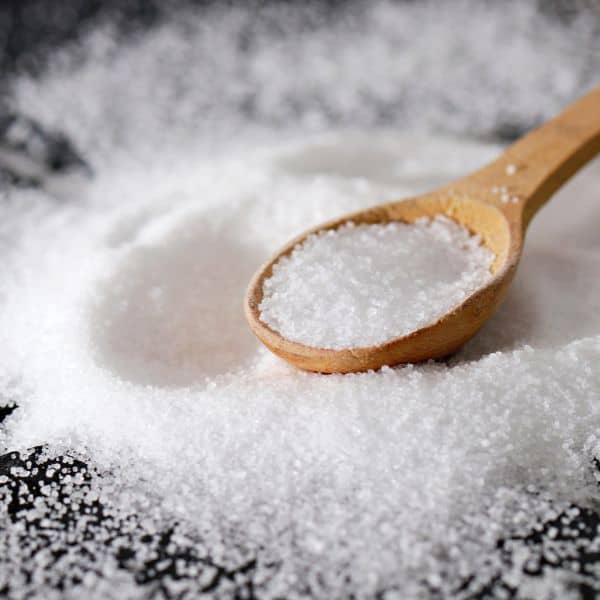
Recommended Industrial & Food Grade Salt Specifications
Our supply chain supports a full spectrum of standardized and specialty salt crystallizations. Review our primary commercial recommendations tailored to specific food processing categories:
1. Pure Dried Vacuum (PDV) / Vacuum Evaporated Salt
Produced through mechanical vapor recompression of deep-well brine, Vacuum Evaporated Salt represents the gold standard for high-purity applications (>99.8% NaCl). Featuring uniform cubic crystals and negligible heavy metal impurities, PDV salt ensures consistent dissolution rates across high-speed liquid systems, brines, canned soups, and continuous dough mixing setups.
2. Fine Flour & Micro-Pulverized Salt
Milled to an ultra-fine mesh size (passing through 70 to 100 mesh screens), flour salt is specially formulated for dry topical applications where immediate sensory perception and maximal surface adherence are critical. It is recommended for snack food seasonings, potato chips, extruded snacks, nut coatings, and dry spice blends to prevent segregation during transit.
3. Solar Evaporated Sea Salt
Harvested through natural solar evaporation of oceanic brine, food-grade sea salt delivers a clean-label consumer appeal while maintaining high chemical purity (>99.5% NaCl). Available in coarse, medium, and fine granulations, sea salt provides natural trace mineral profiles suitable for organic bakery products, artisanal snacks, premium sauces, and specialty meat curing.
4. Flake Salt & Dendritic Salt
Engineered via controlled crystallization processes, flake and dendritic salts exhibit porous, multi-faceted structure with high surface area and lower bulk density. Their high oil-absorption capacity and rapid solubility make them ideal for butter and cheese processing, snack toppings, continuous meat tumbling, and quick-dissolve dry drink mixes.
5. Low-Sodium Potassium Chloride (KCl) Blends
Formulated to address global public health initiatives and FDA sodium reduction guidance, co-crystallized sodium chloride and potassium chloride blends allow food formulators to achieve up to 50% sodium reduction without sacrificing saltiness perception or altering water binding dynamics in processed meats and bakery formulations.
6. Coarse Rock & Water Softening Salt
High-purity screen-sized rock salt designed for continuous industrial brine generation, municipal water treatment, boiler feedwater conditioning, and hide curing applications. Screened to eliminate insoluble fines and prevent bridging or channeling in commercial saturator tanks.
Technical Comparison of Commercial Salt Specifications
The following technical matrix outlines standard physical and chemical parameters for industrial procurement planning:
| Commercial Salt Grade | Purity (NaCl Min %) | Typical Mesh Size (US Std) | Bulk Density (lb/ft³) | Anti-Caking Agent Options | Primary Industrial Applications |
|---|---|---|---|---|---|
| Vacuum Evaporated Granulated | 99.85% | 20 - 70 Mesh | 70 - 75 | YFP (Yellow Prussiate of Soda), Tricalcium Phosphate | Bakery Doughs, Canning, Sauces, General Food Processing |
| Fine Flour Salt | 99.70% | 70 - 100 Mesh | 55 - 62 | TCP (Tricalcium Phosphate), Silicon Dioxide | Snack Food Seasonings, Popcorn, Dry Mixes, Confectionery |
| Refined Solar Sea Salt | 99.60% | 12 - 40 Mesh | 65 - 72 | Uniodized Clean-Label / Organic Compliant Available | Artisanal Bakery, Prepared Meals, Organic Foods, Retail Packs |
| Dendritic / Flake Salt | 99.80% | 30 - 80 Mesh | 50 - 58 | Yellow Prussiate of Soda (YFP) | Cheese Making, Butter Production, Meat Tumbling, Dry Rubs |
| Sodium Reduction Blends (NaCl/KCl) | 99.50% (Combined) | 20 - 60 Mesh | 68 - 74 | Free-Flowing Silica Alloys | Low-Sodium Processed Meats, Soups, Frozen Entrees, Health Snacks |
Market Intelligence
Future Procurement Trends in Industrial & Commercial Salt
Global commodity shifts, regulatory updates, and modern supply chain vulnerabilities are fundamentally transforming how procurement directors source commercial salt. ICI Foods monitors global macroeconomic drivers to keep enterprise buyers ahead of market disruptions.
1. Microplastics-Free Verification & Trace Analytical Testing
Global procurement teams in the food and beverage sectors are demanding verifiable microplastics testing for all marine and solar evaporated salts. As environmental microparticle contamination becomes a major concern for consumer brands, commercial salt suppliers must implement mass spectrometry, Raman spectroscopy, and advanced membrane filtration to guarantee zero-microplastic compliance before raw materials enter food processing facilities.
2. Shift Away from Ferrocyanide Anti-Caking Agents (Clean Label)
Historically, Yellow Prussiate of Soda (YFP / Sodium Ferrocyanide) served as the standard chemical anti-caking agent for commercial salt due to its low cost and high efficacy. However, growing global consumer demand for clean-label ingredient decks is driving a rapid transition toward organic-compliant alternatives such as tricalcium phosphate (TCP), silicon dioxide, and fine sodium bicarbonate blends. Buyers are increasingly auditing supplier capabilities to deliver non-YFP options across all mesh sizes.
3. Decarbonized Salt Evaporation & Sustainable Logistics
Industrial salt production—specifically vacuum evaporation—is highly energy intensive. Supply chain leaders are prioritizing suppliers leveraging renewable energy microgrids, mechanical vapor recompression powered by green electricity, and localized distribution hubs to minimize Scope 3 carbon emissions. Sustainability criteria now directly influence competitive RFP scoring for global food brands.
4. Multi-Regional Dual-Sourcing & Buffer Warehousing Strategy
Geopolitical friction, freight volatility, and climate-induced delays in solar salt harvesting basins have demonstrated the high risks of single-source procurement. Advanced procurement strategies emphasize multi-basin regional sourcing paired with Just-In-Time (JIT) warehouse buffering. ICI Foods’ expansive distribution footprint mitigates regional port congestions and rail disruptions by maintaining strategic inventory reserves near major industrial food corridors.
R&D & Manufacturing
Commercial Salt Industry & Technology Development Trends
Engineering innovations in crystal morphology, grain size distribution control, and automated bulk transfer systems are expanding the functional potential of commercial sodium chloride.
Technological Advancements in Micro-Crystallization & Sodium Optimization
Industrial food R&D departments are shifting from simple salt substitution to structural crystal modification. By engineering hollow, pyramid-shaped, or ultra-porous micro-crystals, ingredient scientists can maximize surface contact on the human taste buds. This structural modification delivers intense salt flavor perception rapidly, allowing food manufacturers to reduce overall sodium mass by up to 25% without reformulating flavor profiles or introducing metallic off-notes associated with chemical salt substitutes.
Key Technological Innovations Driving Commercial Salt Manufacturing
- Automated Laser Sorting & Optical Purity Inspection: High-speed optical sorters analyze raw salt crystals on conveyor belts, ejecting insoluble mineral specs, clay particles, and organic debris to guarantee pristine optical clarity and chemical purity.
- Pneumatic Conveying Compatibility & Anti-Caking Technology: Modern bulk food facilities rely on automated pneumatic transfer. Advanced anti-caking surface treatments prevent bulk salt bridge formation in silos and high-humidity unloading systems.
- FSMA 204 Digital Traceability Integration: Modern commercial salt suppliers must integrate automated lot-tracking barcoding system infrastructure compliant with FDA Food Traceability rules, ensuring instant recall readiness and origin validation.
- Humidity-Controlled Barrier Packaging: Multi-wall paper bags with high-density polyethylene (HDPE) moisture liners prevent moisture absorption during maritime transit and long-term warehouse storage, maintaining free-flowing characteristics.

Why Partner With ICI Foods
Enterprise Supply Chain Advantages & Corporate Expertise
Building resilient food manufacturing supply chains requires a trusted B2B partner with deep technical knowledge, world-class food safety protocols, and dependable logistics infrastructure.

Unmatched Reliability for Over 50 Years
For more than half a century, ICI Foods has served as a strategic supply chain partner connecting industrial food manufacturers with globally audited ingredient producers. Our long-standing industry relationships ensure secured volume allocations even during global commodity shortages.
- SQF, FSMA & GFSI Rigorous Audit Alignment: Full regulatory compliance ensuring every lot is delivered with comprehensive Certificates of Analysis (COA), Kosher, Halal, and Non-GMO certifications.
- Nationwide Just-In-Time (JIT) Logistics Network: Strategic regional warehousing minimizes inventory carrying costs, mitigates lead-time volatility, and prevents line-shutdown emergencies.
- Vetted & Audited Global Supplier Network: We partner exclusively with world-class primary producers who maintain strict adherence to international quality standards.
- Technical Application Expertise: Our dedicated food scientists and commodity specialists assist formulation teams with grain size selection, anti-caking optimization, and sodium-reduction strategies.
Procurement FAQ
Commercial Salt Procurement: Frequently Asked Questions
Detailed technical and logistical answers to common questions asked by industrial procurement teams, food engineers, and quality assurance personnel.
How do I determine the correct mesh size and crystal granulation for my production facility?
Particle size distribution governs dissolution speed, surface adhesion, moisture absorption, and physical blending stability. For high-speed dough mixers or liquid brine tanks, a medium fine granulated salt (20–70 mesh) provides fast dissolution without clogging pneumatic systems. For topical applications like potato chips, continuous snack lines, or dry spice rubs, an ultra-fine flour salt (70–100 mesh) is essential to maximize electrostatic adherence and prevent dust segregation during packaging and shipping.
What is the functional difference between Vacuum Evaporated Salt (PDV) and Solar Evaporated Sea Salt in commercial food processing?
Vacuum Evaporated Salt (PDV) undergoes high-temperature mechanical evaporation under vacuum conditions, yielding a consistent cubic crystal structure with extremely high purity (>99.85% NaCl) and negligible mineral impurities. It is ideal for standardized industrial processing where batch consistency is non-negotiable. Solar Sea Salt is formed through natural sun evaporation in outdoor ponds, resulting in broader particle distributions and subtle natural trace mineral complexes. Solar salt is primarily selected for clean-label, organic, artisanal, or premium branded food products.
Which anti-caking agents are commonly used in bulk commercial salt, and how do they impact clean-label marketing?
Yellow Prussiate of Soda (YFP / Sodium Ferrocyanide) is the most effective traditional anti-caking agent at low concentration levels (under 13 ppm), preventing crystal bridge formation in humid storage. However, because some retail consumers scrutinize ferrocyanides on ingredient labels, manufacturers seeking clean-label positioning frequently opt for Tricalcium Phosphate (TCP), Silicon Dioxide, or Magnesium Carbonate. ICI Foods provides both YFP-treated and clean-label non-YFP commercial salt grades tailored to your brand's regulatory and marketing objectives.
What packaging options are available for industrial salt, and how do bulk super sacks reduce total cost of ownership (TCO)?
ICI Foods offers commercial salt in 50 lb multi-wall polyethylene-lined paper bags, 2,000 lb to 2,500 lb flexible intermediate bulk containers (FIBC / Super Sacks), and bulk pneumatic tanker trucks. Procuring via super sacks or pneumatic bulk trucks significantly lowers labor costs associated with manual bag dumping, reduces packaging material disposal expenses, minimizes product loss from bag tearage, and integrates seamlessly into automated batch metering systems.
How does ICI Foods ensure compliance with FDA FSMA 204 traceability rules and microplastic contamination testing?
ICI Foods operates under a comprehensive SQF-certified food safety system aligned with the FDA Food Safety Modernization Act (FSMA). Every shipment of commercial salt is traceable down to the raw brine lot, harvest basin, and processing shift. Our audited manufacturing partners conduct rigorous analytical testing including ICP-MS heavy metal screening, sensory panels, moisture testing, screen mesh analysis, and microplastic filtration protocols to ensure complete compliance prior to distribution.
Can ICI Foods accommodate specialized moisture requirements, custom particle screening, or private-label bulk packaging?
Yes. We routinely partner with commercial buyers to provide custom-screened salt granulations, tight moisture-tolerance specifications (<0.05% moisture), non-iodized pure grades, and customized bulk packaging. Our technical specialists work directly with your QA and operations teams to establish tight specification parameters and deliver consistent JIT shipments to single or multi-plant networks.
Optimize Your Commercial Salt Supply Chain Today
Speak directly with our ingredient specialists to request full Certificate of Analysis (COA) documentation, technical product specifications, competitive bulk pricing, or custom sample kits.