
ICI Foods Food & Beverage Ingredient Insights

Industry Insights

Food & Beverage Ingredient Blog

Formulation guides, ingredient sourcing insights, and market trends from ICI Foods experts.

0%

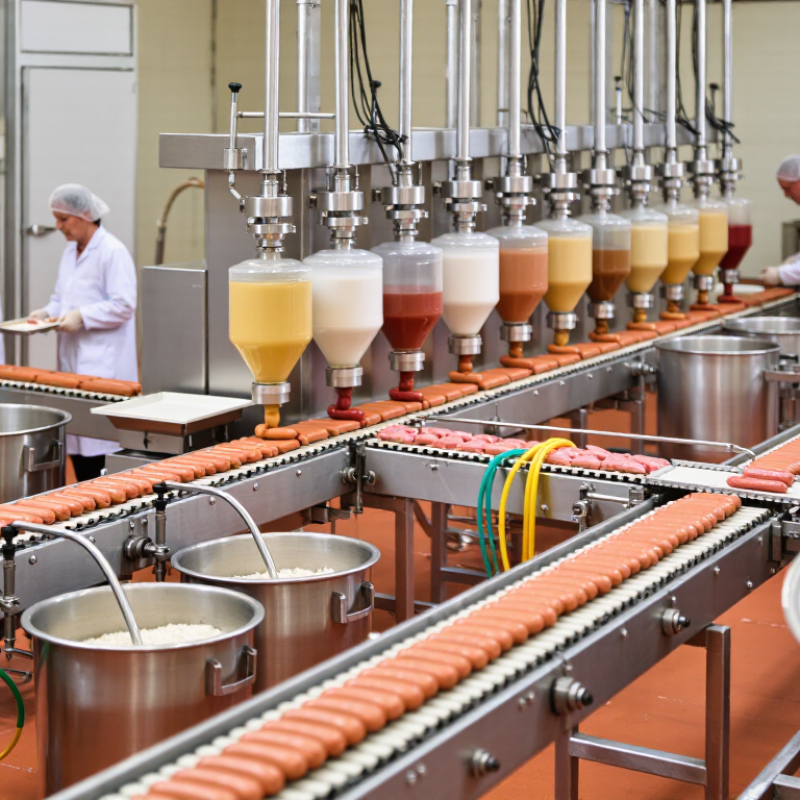
Meat Processing Additives help manufacturers protect quality, improve texture, and maintain consistent flavor. Their role becomes clearer on a chilled production line. A curing blend must disperse evenly. A phosphate solution must bind moisture without creating a slippery bite. A preservative must work within approved limits, not simply “more is better.”

The scale is substantial. FAO’s World Food and Agriculture Statistical Yearbook 2023 reported approximately 361 million tonnes of global meat production in 2021. That volume creates practical pressure for safer handling, longer refrigerated distribution, and predictable cooking performance. Industry reports, including MarketsandMarkets’ Meat Ingredients Market analysis, identify growing demand for functional ingredients, cleaner labels, and processed products with dependable shelf life. These reports show commercial momentum, but they do not replace plant-level validation. Conditions vary.

Food scientist Dr. Joseph M. Regenstein describes food additives as substances used for a “specific technological purpose.” That principle should guide every formulation decision. The purpose might involve water retention, oxidation control, color stability, or microbial risk management. Each function requires evidence, accurate dosing, and documented supplier specifications. Codex Alimentarius, national regulators, and customer standards remain essential reference points. A small error in weighing can affect hundreds of kilograms of sausage. That detail is easy to underestimate. It should not be. Meat Processing Additives are useful tools, yet they are not shortcuts for sanitation, temperature control, or responsible processing. Some claims about “natural” ingredients also deserve closer examination. The science is rarely perfect. Good manufacturing demands careful testing, transparent labeling, and a willingness to revise assumptions.
Why Use Meat Processing Additives?

What Meat Processing Additives Are and Why They Are Used

Meat processing additives are controlled substances used to preserve, protect, or improve meat products. Common examples include salt, nitrite, nitrate, phosphates, antioxidants, and starter cultures. They can slow microbial growth, stabilize color, support moisture retention, and create a firmer bite. In practical processing, a sausage should remain safe and consistent from factory to refrigerator. Additives help achieve that result, but they do not replace clean equipment or temperature control.

Their use also involves measurable safety limits. The European Food Safety Authority’s 2017 re-evaluation set acceptable daily intakes of 3.7 mg nitrate and 0.07 mg nitrite per kilogram of body weight daily. These values apply to exposure assessment, not unlimited use in recipes. Legal limits differ by country and product category. A processor must follow current national standards, validate dosage, and check the finished product. The label matters. However, it cannot explain every technical decision. I sometimes find that consumers expect “natural” ingredients to be automatically safer, which is an incomplete assumption.

Tips: Read the ingredient list, storage instructions, and serving size together. Choose products from facilities using documented quality controls. Additives should be justified by function, not decoration. Remember, “less” is not always safer if preservation becomes inadequate. A careful question is simple: what problem does this additive solve, and is the amount controlled?

How Additives Improve Meat Safety and Shelf Life

Why Use Meat Processing Additives?

How Additives Improve Meat Safety and Shelf Life

Meat processing additives support safety when hygiene and refrigeration are already controlled. Curing salts, including carefully regulated nitrite, can suppress Clostridium botulinum growth in suitable products. Salt lowers available water, making conditions less friendly to many microorganisms. Antioxidants can also slow rancidity, preserving flavor and color during storage.

The need is substantial. The World Health Organization estimates that contaminated food causes about 600 million illnesses and 420,000 deaths worldwide each year. Its figures cover all foods, not meat alone, but they show why prevention matters. The FAO and WHO expert report on food additives states that approved additives require safety evaluation and exposure assessment. Still, additives are not magic. A broken cold chain can erase their benefits quickly. That point is sometimes underestimated.

Tips: Use additives only within validated recipes and legal limits. Measure accurately. Keep raw meat below 4°C when practical, and monitor time, temperature, and packaging. Record batch results, including smell, purge, and texture. If a product lasts longer, verify it with laboratory shelf-life testing, not guesswork.

A 2023 EFSA and ECDC report recorded thousands of confirmed salmonellosis cases in Europe, showing that microbial hazards remain active. The number is useful, but imperfect. Reported cases represent only detected infections. Processors should therefore combine additives with sanitation, employee training, sealed packaging, and continuous temperature checks. Less additive is not always safer if process control is weak. More is not automatically better.

Why Use Meat Processing Additives?

How additives can support meat safety and shelf life through pH control

The chart shows approximate minimum pH values reported for the growth of selected foodborne pathogens. Acidulants and antimicrobial ingredients such as lactates, acetates, diacetates, and vinegar can help lower or control product pH, reducing the potential for microbial growth. Additives are not a substitute for validated cooking, sanitation, refrigeration, or regulatory controls.

Values are approximate microbiological reference limits and can vary with temperature, water activity, salt concentration, oxygen availability, and product formulation.

Key Additive Types and Their Roles in Meat Products

Why Use Meat Processing Additives?

Meat processing additives help control safety, texture, color, and storage performance. Their value depends on the product, process, and measured dose. Curing salts, including nitrite-based ingredients, help limit certain microbial risks and support cured color. They also create the familiar flavor of ham and sausages. However, curing systems require strict formulation and process control. More is not better.

Phosphates improve water binding, helping cooked meat stay juicier and lose less weight. Salt extracts muscle proteins, allowing chopped meat to hold together during cooking. Antioxidants slow rancidity and protect flavor when oxygen reaches the package. Acid regulators adjust pH, influencing tenderness, microbial stability, and processing behavior. Coloring ingredients may improve appearance, but appearance cannot replace freshness or safe handling.

In practical formulation work, small changes in mixing time can noticeably change texture. I still review every batch because laboratory assumptions may miss equipment differences.

Tips: Use food-grade additives within applicable regulations and supplier specifications. Weigh powders with calibrated equipment, record lot details, and test finished products. Check label declarations and allergen controls before release. A small trial batch often reveals problems early. Do not rely on taste alone.

How Additives Affect Flavor, Color, Texture, and Appearance

Meat processing additives influence what shoppers notice first: flavor, color, texture, and surface appearance. Curing agents support the familiar savory profile of ham and sausage while stabilizing their pink color. USDA FSIS regulations set 120 ppm as the maximum ingoing sodium nitrite level for many comminuted cured meats. That figure is a safety boundary, not a flavor target. More is not automatically better.

Color changes through myoglobin chemistry. The American Meat Science Association’s Meat Color Measurement Guidelines explain how oxygen exposure can shift meat from purple-red to bright cherry-red, then brown. Antioxidant ingredients can slow unwanted color loss during refrigerated display. Salt and phosphates affect texture by improving protein extraction and water retention. The result can be a firmer bite, fewer purge droplets, and cleaner slicing. Too much, however, may create a rubbery texture or a noticeable salty aftertaste.

Appearance also depends on emulsification. A stable meat batter produces a smoother cut surface, while poor mixing may leave fat pockets or gray edges. In practice, I would test additives with small pilot batches, measured pH, cooking loss, and chilled shelf-life checks. Sensory panels matter too. A formulation can perform well in a spreadsheet and still disappoint at the dinner table. One limitation deserves attention: technical data often reflects controlled processing, not every plant’s equipment, raw material, or storage abuse. Results should be verified under real production conditions.

Safety Standards and Factors Guiding Additive Selection

Meat processing additives should be selected through safety controls, not simply for color or longer shelf life. Their roles include limiting microbial growth, slowing oxidation, and maintaining texture. The risk is considerable. The World Health Organization estimates that contaminated food causes 600 million illnesses and 420,000 deaths each year (WHO, 2015). In a processing facility, sound decisions begin with hazard analysis, sanitation, validated heating, and cold-chain monitoring. Additives cannot correct poor hygiene. That point is still underestimated.

Selection depends on product chemistry and processing conditions. pH, water activity, storage temperature, packaging atmosphere, and fat content can change additive performance. A curing agent may help control Clostridium botulinum, but only within approved limits and validated procedures.

Codex standards and national regulations define permitted substances, uses, and maximum levels. Requirements differ across markets. They require careful review.

Exposure matters too. Vulnerable consumers, serving size, cumulative intake, and labeling should enter the assessment. The 2023 European One Health Zoonoses Report recorded 246,307 human campylobacteriosis cases in the European Union and European Economic Area (EFSA and ECDC, 2024). This supports prevention, but statistics alone cannot choose an additive. A useful ingredient must solve a defined technical problem. It should also have reliable specifications and clear analytical verification. The decision is rarely perfect. New evidence, supplier variation, or changing consumer expectations may require reassessment. Safety teams should document those uncertainties instead of hiding them.

FAQS

What are meat processing additives used for?

They help preserve meat, stabilize color, retain moisture, and improve texture. They support consistency. They do not replace sanitation or temperature control.

Which additives are commonly used in processed meat?

Common examples include salt, nitrite, nitrate, phosphates, antioxidants, and starter cultures. Each should solve a defined processing problem. Additives should not be included only for decoration.

Are meat additives automatically safe when used in small amounts?

No. Safety depends on the substance, amount, product, and consumer exposure. Rules differ between countries and food categories. The finished product still needs testing.

What do nitrate and nitrite limits mean?

An exposure assessment may use daily values of 3.7 milligrams of nitrate and 0.07 milligrams of nitrite per kilogram of body weight. These figures do not permit unlimited recipe use. They are safety references, not flavor targets.

How can additives change meat flavor, color, and texture?

Curing ingredients can support a savory flavor and stable pink color. Salt and phosphates may improve protein extraction and water retention. Too much can create rubbery texture or a strong salty aftertaste.

Why can processed meat develop different colors during storage?

Meat color changes as myoglobin reacts with oxygen. It may shift from purple-red to bright red, then brown. Antioxidants can slow unwanted color loss during refrigerated display.

Can additives make meat safe if hygiene is poor?

No. Additives cannot correct dirty equipment, unsafe heating, or broken cold chains. Effective control also requires sanitation, hazard analysis, and validated cooking. That point is still underestimated.

How should manufacturers choose the right additive?

They should consider pH, water activity, storage temperature, packaging atmosphere, fat content, and serving size. Small pilot batches can test cooking loss, texture, pH, and chilled shelf life. Real production may behave differently.

Are “natural” ingredients always safer?

Not automatically. Natural origin does not remove exposure or contamination concerns. The amount, function, specifications, and finished-product controls still matter. I would question that assumption.

What should consumers check before buying processed meat?

Read the ingredient list, storage instructions, and serving size together. Choose products made under documented quality controls. “Less” is not always safer if preservation becomes inadequate.

Conclusion

Meat Processing Additives are substances used in carefully controlled amounts to improve the safety, quality, and consistency of meat products. They can help slow the growth of harmful microorganisms, extend shelf life, reduce oxidation, and maintain freshness during storage and distribution. Depending on their purpose, additives may also support curing, moisture retention, emulsification, or product stability, helping manufacturers achieve reliable results while reducing waste.

Different additive types contribute to specific qualities, including flavor, color, texture, and overall appearance. Some enhance the natural taste of meat, while others help preserve an appealing color or create a firm, uniform texture. However, additive selection must always consider the product’s formulation, processing method, storage conditions, intended use, and consumer safety. Manufacturers should follow applicable food safety standards, use approved substances within permitted limits, and apply proper labeling and quality controls. When selected and managed responsibly, additives can support both product performance and food safety.

Lillian

Lillian

Lillian is a dedicated marketing professional with a profound expertise in the company’s product offerings. With a passion for delivering insightful content, Lillian consistently updates our company’s professional blog, sharing valuable knowledge and trends that resonate with our audience. Her......